
Tag: bulk address verification

  • How Bulk Address Verification Saves Time, Money, and Reputation

    How Bulk Address Verification Saves Time, Money, and Reputation

    In a business landscape driven by speed and accuracy, having reliable address data is no longer optional—it’s essential. Inaccurate address records can derail logistics, inflate costs, and damage your brand. Fortunately, bulk address verification offers a comprehensive solution to these challenges. This blog explores how this technology conserves time, reduces costs, and safeguards your brand’s reputation, with a focus on practical use cases, trends, and guidance on choosing the right vendor.


    The High Stakes of Address Accuracy

    Every business, from eCommerce to finance, relies on correct customer addresses for service delivery, billing, and communication. Yet, data entry errors, outdated records, and inconsistent formats plague address databases.

    Consequences of inaccurate addresses include:

    • Failed deliveries and returned mail
    • Wasted marketing spend
    • Poor customer experience
    • Legal and compliance issues

    Adopting bulk address verification means proactively cleaning and standardizing massive datasets, minimizing risk across departments.


    What Sets Bulk Address Verification Apart

    Unlike manual data checks or individual verifications, bulk address verification operates at scale. It processes thousands—or millions—of addresses against validated postal datasets to ensure:

    • Correct formatting based on regional standards
    • Accurate postal codes and street names
    • Removal of duplicates and invalid entries
    • Cross-border address normalization

    These tools drastically cut the time required to validate large datasets, freeing teams from tedious manual efforts.


    Time-Saving Capabilities That Drive Efficiency

    1. Automated Data Cleaning
      Batch processing eliminates the need for individual record reviews, enabling fast database refreshes.
    2. Quick Campaign Deployment
      Marketing and notification campaigns can be launched faster due to readily validated mailing lists.
    3. System-Wide Sync
      Verified address data integrates with CRM and ERP platforms, reducing time spent reconciling records between systems.
    4. Fewer Support Tickets
      By cutting down on delivery errors, support teams face fewer complaints about lost or delayed mail.
    5. Accelerated Onboarding
      At sign-up or purchase, new user data is instantly validated, streamlining customer acquisition.

    Cost Reduction Through Data Precision

    Reliable address data contributes to a leaner budget. Here’s how:

    • Lower Mailing Costs – Fewer returned items and eligibility for postal discounts
    • Reduced Customer Service Burden – Less time spent resolving shipping issues
    • Smarter Marketing Spend – Higher engagement due to accurate targeting
    • Avoidance of Regulatory Fines – Especially important in finance and healthcare sectors
    • Minimized Storage and Processing Overhead – Fewer redundant records to manage

    When operations rely on accurate contact information, bulk address verification becomes a cost-saving necessity.


    Reputational Value of Accurate Deliveries

    Brand trust hinges on reliability. Customers expect communication and products to arrive without hassle.

    Benefits to brand reputation include:

    • On-Time Deliveries – Enhances credibility
    • Professional Image – Clean, correctly formatted addresses project attention to detail
    • Customer Retention – Fewer delivery problems reduce churn
    • Positive Reviews and Referrals – Good logistics often translate into better feedback

    Inconsistent data can quietly erode customer perception. Address accuracy builds long-term loyalty.


    Real-World Success: Retailer Reduces Costs by 30%

    A U.S.-based online apparel retailer faced frequent shipping errors due to incorrect customer addresses. By integrating a bulk address verification API into its CRM and checkout pages, the company achieved:

    • A 92% decrease in return shipments
    • A 30% reduction in logistics costs
    • An improved Net Promoter Score (NPS) of 12 points

    This case illustrates how data accuracy isn’t just a technical enhancement—it’s a direct driver of business success.


    Strategic Use Cases Across Industries

    1. Healthcare
    Ensuring lab results and appointment reminders reach the correct recipient improves patient care and compliance.

    2. Financial Services
    Accurate mailing is essential for legal notices, statements, and fraud alerts.

    3. E-commerce
    Reducing failed deliveries increases profitability and customer satisfaction.

    4. Education
    Universities maintain communication with alumni, applicants, and donors more effectively.

    5. Government Agencies
    Public outreach campaigns benefit from high data quality to reach citizens reliably.


    Choosing the Right Moment for Verification

    To maximize impact, identify strategic checkpoints:

    • Pre-Campaign Launches – Clean data ensures every dollar spent reaches its target
    • Quarterly Maintenance – Keep databases fresh with periodic bulk validations
    • Platform Migration – Clean addresses before moving to a new CRM or data warehouse
    • Customer Intake – Validate addresses during sign-up or transaction processes

    Integrating bulk address verification at these moments prevents costly corrections later.


    Selecting the Right Bulk Address Verification Solution

    To find a provider that fits your needs, consider:

    • International Data Coverage – Especially for global businesses
    • Batch Processing Capacity – Speed and volume handling
    • Integration Options – API access, file upload, or CRM plugins
    • Error Handling and Reporting – Transparent correction logs
    • Regulatory Compliance – GDPR, HIPAA, and other jurisdictional standards
    • Service Reliability – Uptime guarantees and support quality

    Evaluating multiple providers through a proof-of-concept project is recommended before committing long-term.


    Integration Practices for Maximum Benefit

    To get the most from your solution:

    1. Automate Recurring Checks – Set schedules for ongoing hygiene
    2. Integrate with Data Entry Points – Like forms and purchase flows
    3. Audit Legacy Records – Clean historical data before layering in new sources
    4. Educate Stakeholders – Ensure marketing, IT, and ops teams understand how to use and benefit from the tool
    5. Monitor KPIs Post-Integration – Evaluate efficiency, savings, and satisfaction metrics

    A holistic approach ensures long-term value from your verification platform.


    Regulatory and Ethical Considerations

    Maintaining clean data also involves responsibility:

    • User Consent – Let users know their data may be verified
    • Secure Transmission – Use encryption for uploads and API calls
    • Audit Trails – Maintain logs for compliance and transparency
    • Minimized Data Retention – Don’t keep unnecessary user information

    Ethical data handling strengthens user trust alongside system performance.


    Trends Shaping the Future of Address Verification

    The landscape of data verification is evolving. Expect:

    • AI-Assisted Corrections – Predictive models that learn from human behavior
    • Geo-Validation – Verifying GPS location alongside textual address
    • Multilingual Parsing – Better recognition of global address formats
    • Instant Entry Suggestions – Type-ahead validation on websites and apps
    • Omnichannel Synchronization – Aligning mailing addresses with email, SMS, and social contact points

    Adopting a future-proof solution helps you stay ahead in a data-driven world.


    Sustainability Through Reduced Waste

    Accurate address data contributes to environmental goals:

    • Fewer Undeliverable Mailings – Less paper and packaging waste
    • Optimized Delivery Routes – Reduced fuel consumption
    • Digital Shift Support – Helps identify undeliverable regions for digital alternatives

    Bulk address verification plays a subtle but significant role in corporate sustainability efforts.


    Use Case: Insurance Firm Cuts Processing Time in Half

    A regional insurance provider needed to send policy documents to over 100,000 clients semi-annually. Prior to verification, return rates and data inconsistencies led to compliance delays.

    By deploying a bulk address verification solution, the firm:

    • Cut return mail by 80%
    • Reduced delivery turnaround by 50%
    • Achieved full compliance with updated communication regulations

    The improved process not only saved time but safeguarded the firm’s credibility.


    Measuring the Impact of Your Investment

    Key performance indicators to monitor include:

    • Delivery Success Rate
    • Customer Churn Rate Post-Integration
    • Customer Satisfaction Scores
    • Return on Direct Mail Campaigns
    • IT Resource Hours Saved
    • Support Ticket Volume

    Regular reporting ensures your verification program remains effective.


    The Long-Term Business Case

    While the initial investment may seem technical or niche, the ripple effects of clean address data span the entire organization:

    • More efficient operations
    • Smoother customer journeys
    • Stronger brand equity
    • Higher ROI on outreach
    • Better compliance posture

    Bulk address verification isn’t a one-time project—it’s a critical component of data strategy.


    Conclusion: From Risk to Reliability

    Accurate address data is foundational to success in today’s business world. Bulk address verification transforms raw, unreliable data into a strategic asset that drives savings, efficiency, and trust.

    With the right solution in place, your organization gains:

    • Reduced operational overhead
    • Enhanced customer satisfaction
    • Future-ready data infrastructure

    Ultimately, it’s not just about validating addresses—it’s about delivering confidence at every customer touchpoint. Embracing bulk verification ensures that every message, package, and opportunity reaches its destination, reinforcing your brand and accelerating growth.

  • Streamline Customer Data with Bulk Address Verification Tools

    Streamline Customer Data with Bulk Address Verification Tools

    As businesses scale, maintaining clean and accurate customer records becomes both more challenging and more critical. Inaccurate addresses lead to delivery failures, wasted resources, and damaged customer relationships. Fortunately, bulk address verification tools offer a scalable, efficient solution to these problems. This blog explores how organizations can streamline customer data using address verification, highlighting implementation strategies, real-world examples, and future-facing trends.


    The Growing Importance of Address Accuracy in Modern Business

    Customer data is the foundation of personalized experiences, targeted marketing, and successful service delivery. Yet, many organizations struggle with outdated or inaccurate contact information, particularly addresses. This becomes even more problematic when managing thousands or millions of records.

    Key risks of poor address data include:

    • Failed shipments and undelivered mail
    • Increased customer service inquiries
    • Reduced marketing ROI
    • Legal compliance issues in regulated sectors

    Bulk address verification tools offer a proactive approach to managing and correcting address information at scale, reducing these risks significantly.


    What Is Bulk Address Verification?

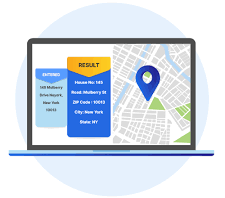
    Bulk address verification is the automated process of checking and correcting large volumes of mailing addresses. These tools cross-reference customer records with official postal databases (such as USPS, Canada Post, Royal Mail, and others worldwide) to ensure:

    • Validity: The address exists and is deliverable
    • Completeness: All required address components are present
    • Standardization: Formats comply with postal requirements

    Instead of checking each record manually, these tools verify tens of thousands of entries in minutes, making them indispensable for high-volume operations.


    Common Challenges Addressed by Bulk Verification

    Bulk address verification tools tackle several data integrity issues:

    1. Inconsistent Formatting – Mismatched address styles across regions or platforms
    2. Duplicate Records – Multiple entries for a single customer
    3. Typos and Errors – Human input mistakes like misspellings or number swaps
    4. Obsolete Information – Addresses from old accounts or lapsed customers
    5. International Variations – Differences in formatting across countries

    By automating detection and correction, these tools free up teams from manual data cleaning.


    How Bulk Address Verification Streamlines Operations

    1. Faster Campaign Execution
    Clean address data allows for smoother rollout of direct mail campaigns, invoices, and service notices. With verified addresses, marketers avoid delays caused by returned or misrouted mail.

    2. Cost Savings Through Efficiency
    Reducing undeliverable mail means less waste and lower postal costs. Address verification also improves presort rates and qualifies for bulk mailing discounts.

    3. Better Customer Experience
    Customers receive critical communications on time. This enhances trust and reduces frustration, especially for transactional documents like bills or order confirmations.

    4. Improved Decision Making
    Accurate location data supports better segmentation, territory planning, and market analysis.

    5. Cross-System Consistency
    Verified addresses ensure CRM, ERP, and e-commerce platforms operate on the same accurate dataset.


    Use Case: Subscription Box Service Enhances Delivery Accuracy

    A national subscription box company was experiencing a 14% return rate on shipments due to invalid addresses. After implementing a bulk address verification API into their checkout process and quarterly data cleanups:

    • Return rate dropped to under 3%
    • Customer support inquiries related to delivery fell by 40%
    • Repeat purchase rates increased by 17%

    This illustrates how address quality impacts not only operations but customer satisfaction and revenue.


    Best Times to Implement Bulk Verification

    Timely address validation is essential. Optimal moments include:

    • During System Migrations – Clean your data before moving to a new CRM or ERP
    • Before Marketing Campaigns – Ensure address lists are accurate to maximize ROI
    • At Onboarding – Validate new entries to maintain long-term data hygiene
    • Quarterly or Biannual Audits – Ongoing verification maintains high-quality standards

    Making verification a routine part of your data management strategy prevents problems before they escalate.


    Key Features to Look for in Bulk Address Verification Tools

    Choosing the right solution requires understanding your organizational needs. Consider these features:

    • Global Postal Database Access – Support for international address formats
    • Batch Processing Speed – Ability to verify millions of records quickly
    • Real-Time and Scheduled Checks – On-demand and automated validations
    • Address Autocomplete Support – Enhanced user experience at point-of-entry
    • Integration Flexibility – APIs and connectors for CRMs, e-commerce platforms, and marketing tools
    • Error Logging and Reporting – Clear visibility into corrections made

    The ideal tool should scale with your operations and work within your existing infrastructure.


    Integration Tips for Smooth Implementation

    Implementing bulk address verification can be seamless with the right approach:

    • Start with a Pilot Project – Test a sample database to assess improvements
    • Collaborate with IT and Marketing – Align goals and choose compatible tools
    • Define Success Metrics – Track KPIs like deliverability rate and return mail
    • Automate Workflows – Schedule recurring cleanups to reduce manual effort
    • Train Teams – Ensure that relevant departments know how to interpret and use verification outputs

    Compliance and Data Protection Considerations

    Address data often includes personally identifiable information (PII). Ensure your bulk verification process complies with:

    • GDPR (Europe)
    • HIPAA (U.S. healthcare)
    • CCPA (California Consumer Privacy Act)

    Look for vendors that:

    • Offer encryption in transit and at rest
    • Are ISO or SOC 2 certified
    • Provide audit trails for verification actions

    Regulatory compliance isn’t just about avoiding fines—it protects customer trust.


    Vendor Evaluation Criteria

    Not all vendors offer the same quality or coverage. Ask the following during selection:

    • How frequently is the address database updated?
    • Do you support multilingual or region-specific formats?
    • Can the tool handle different input quality levels?
    • What’s the SLA for processing time and uptime?
    • Are there volume-based pricing tiers?
    • Can you provide industry-specific case studies?

    Performing a side-by-side comparison of vendors with sample data sets can reveal how each performs under real-world conditions.


    Innovations Driving the Future of Address Verification

    The field of address validation is evolving with new technologies:

    1. AI-Driven Corrections
    Machine learning helps detect complex address variations, predicting what users meant—even with incomplete inputs.

    2. Predictive Address Decay Alerts
    Tools will soon flag addresses likely to become obsolete (e.g., short-term rentals or frequent movers).

    3. Multi-Channel Integration
    Future platforms will unify address data across physical, email, and SMS outreach, improving communication consistency.

    4. Smart Address Validation at Point-of-Sale
    Enhanced checkout fields will auto-correct addresses as they’re typed, reducing data entry errors from the start.

    5. Blockchain for Secure Validation
    Emerging systems may offer tamper-proof address verification for government or legal applications.

    Organizations that adopt these innovations early will gain a competitive advantage in both customer experience and operational efficiency.


    Broader Organizational Benefits

    Improving address quality benefits departments beyond marketing and logistics:

    • Sales: Territory planning and lead qualification improve
    • Finance: Invoice and statement delivery are more reliable
    • Legal: Verified addresses help meet notification requirements
    • Support: Fewer complaints and tracking requests

    Well-managed data becomes an asset, enabling teams to work with confidence.


    Use Case: University Alumni Office Improves Outreach

    A major university was struggling to reconnect with alumni for fundraising and event invitations. Many addresses were outdated, and mailings had low engagement rates.

    After conducting a full bulk address verification sweep of its 200,000-record database:

    • The mail bounce rate dropped by 60%
    • Fundraising response rates improved by 25%
    • Event attendance increased due to more timely, accurate invitations

    This demonstrates how even nonprofits and educational institutions benefit from improved data hygiene.


    Environmental Sustainability Gains

    Validated data also supports green initiatives:

    • Less Paper Waste – Fewer undeliverable items
    • Optimized Logistics – Better route planning reduces fuel use
    • Digital Migration – Identifies bad postal addresses and redirects to digital channels

    Responsible data management aligns with sustainability goals and enhances brand image.


    Key Metrics to Track After Implementation

    To assess the effectiveness of your bulk address verification program, monitor:

    • Deliverability rate changes
    • Return mail frequency
    • Cost per mail piece
    • Campaign response rates
    • Customer satisfaction scores
    • Data accuracy ratings over time

    Tracking these indicators helps demonstrate ROI and guide ongoing improvements.


    Final Thoughts: Clean Data, Clear Advantage

    Bulk address verification is no longer a “nice-to-have” feature—it’s a necessity for data-driven organizations. Clean addresses empower more reliable communication, better insights, and smoother operations.

    With the right tools and strategy, businesses can:

    • Maintain customer trust
    • Improve campaign performance
    • Reduce waste and costs
    • Future-proof their data operations

    Investing in bulk address verification today sets the stage for long-term growth, resilience, and customer satisfaction. Whether you’re a startup or a global enterprise, clean data begins with verified addresses.

  • Why Bulk Address Verification Is Essential for Accurate Mass Mailings

    Why Bulk Address Verification Is Essential for Accurate Mass Mailings

    Sending thousands—or even millions—of mail pieces to customers or prospects is a critical function for many businesses. However, without proper data hygiene, such campaigns can lead to wasted resources, poor customer engagement, and compliance issues. This is where bulk address verification plays a transformative role. By validating and correcting mailing addresses before dispatch, organizations enhance accuracy, efficiency, and ROI.

    This comprehensive guide explores why bulk address verification is indispensable for modern mail operations and how businesses can implement it effectively to ensure seamless delivery.

    The Foundation of Reliable Direct Mail: Clean Address Data

    Inaccurate addresses are more than just a nuisance—they can lead to returned mail, undelivered messages, and lost opportunities. Bulk address verification ensures that each address in your database:

    • Matches official postal standards
    • Is complete with accurate ZIP codes or international equivalents
    • Exists and is currently in use

    Address verification tools scan massive lists and cross-check them with postal databases, flagging errors, duplicates, and outdated entries in seconds.

    Consequences of Ignoring Address Verification

    The cost of neglecting address validation goes beyond postage. Here’s what organizations typically face:

    • Increased Return Mail Rates: Undeliverable mail leads to waste and additional postage costs.
    • Damaged Brand Reputation: Customers may never receive critical communications like bills, offers, or notices.
    • Compliance Risks: Regulatory bodies require accurate address data, especially in sectors like finance or healthcare.
    • Missed Revenue Opportunities: Promotions and renewal notices that don’t reach their destination fail to convert.

    Implementing bulk address verification is not optional—it’s essential for cost control and customer trust.

    Common Address Errors in Large Databases

    Before correction, it’s important to understand the types of errors commonly found in mailing lists:

    1. Spelling Variations: Misspelled street names or city entries
    2. Incomplete Addresses: Missing suite numbers, postal codes, or house numbers
    3. Inconsistent Formats: Different data entry styles causing processing issues
    4. Duplicates: Multiple entries for the same individual or business
    5. Obsolete Records: People who have moved or businesses that have closed

    By identifying and fixing these errors through bulk processing, organizations streamline their mailing operations and improve outcomes.

    The Role of Bulk Address Verification in Large-Scale Mailings

    Mass mailings rely on precision. When you’re sending thousands of letters, even a 5% error rate can result in hundreds of lost items.

    Bulk address verification ensures:

    • Postal Standardization: Addresses are formatted according to USPS or international guidelines.
    • Database Cleansing: Inaccurate entries are corrected or removed.
    • Presort Discounts: Clean addresses often qualify for volume-based postal discounts.
    • Reduced Mailing Costs: Fewer returned mail pieces and improved delivery rates.

    This not only reduces direct expenses but also boosts marketing and outreach effectiveness.

    Real-World Success Story: E-Commerce Company Cuts Costs

    A mid-sized e-commerce retailer regularly mailed catalogs and special offers to a growing customer base. However, they noticed increasing return mail and poor conversion rates.

    After integrating a bulk address verification system, they:

    • Identified and corrected 12% of their database
    • Reduced return mail by 35%
    • Saved over $18,000 in annual postage
    • Increased offer response rates by 22%

    Clean data directly translated into improved operational efficiency and bottom-line results.

    Ideal Timing for Bulk Verification in the Mail Cycle

    To maximize its impact, address verification should occur at strategic points:

    1. Before Campaign Launch: Ensures mailing list integrity upfront
    2. During CRM Integration: Keeps databases in sync and accurate
    3. Post-Campaign Analysis: Reviews and updates undelivered entries
    4. At Regular Intervals: Quarterly or semi-annual checks for long-term hygiene

    Routine validation prevents database decay, especially for businesses with high customer churn.

    Benefits Beyond Accuracy: Long-Term Organizational Impact

    Bulk address verification contributes to several organizational goals:

    Improved Customer Satisfaction

    On-time delivery of communications builds trust and satisfaction. Missed or delayed notices create frustration and erode loyalty.

    Enhanced Data Analytics

    Clean data supports better decision-making. Marketing and sales teams rely on accurate addresses for segmentation and performance tracking.

    Operational Efficiency

    By reducing manual corrections and return processing, teams focus more on strategic initiatives and less on troubleshooting.

    Regulatory Compliance

    Industries bound by privacy and communication laws (like HIPAA or GDPR) must demonstrate that communications were sent to verified recipients.

    Integrating Bulk Address Verification with Existing Systems

    Modern tools offer robust integration capabilities, allowing businesses to embed verification processes into their existing workflows.

    • CRM and ERP Platforms: Tools plug into systems like Salesforce, HubSpot, or Oracle
    • Marketing Automation: Sync with tools like Mailchimp, Marketo, or Klaviyo
    • Mail APIs: Direct integration for automated bulk mail generation

    This seamless integration ensures that validation becomes a routine part of business operations.

    Use Case: A national insurance provider linked their claims software with an address verification API, reducing claim correspondence errors by 80%.

    Features to Look for in a Verification Solution

    Not all bulk address verification tools are created equal. When selecting a vendor or software, consider:

    • Global Coverage: Can it handle international addresses?
    • Real-Time Validation: Does it offer instant correction suggestions?
    • Batch Processing: How many records can it handle at once?
    • Compliance Standards: Is it certified for data handling and privacy?
    • Error Reporting: Does it log types of errors and suggest fixes?
    • Scalability: Can it grow with your organization’s mailing volume?

    Choosing the right tool is crucial for long-term success and cost efficiency.

    Best Practices for Implementing Bulk Verification

    A successful implementation requires strategy and coordination:

    1. Clean Existing Data First: Remove duplicates and clearly invalid entries.
    2. Define Success Metrics: Know what accuracy rate or cost savings you expect.
    3. Run Pilot Projects: Start with a segment before full-scale deployment.
    4. Train Staff: Ensure users understand how to interpret and use verification results.
    5. Automate Recurrence: Schedule regular checks instead of relying on manual triggers.

    These practices create a sustainable and efficient data hygiene process.

    Pitfalls to Avoid During Adoption

    Avoid these common mistakes when integrating bulk address verification into your process:

    • Assuming One-Time Checks Are Enough: Addresses change; ongoing verification is essential.
    • Overlooking Non-Postal Fields: Phone numbers and emails may also need validation.
    • Ignoring International Differences: Global mailings require country-specific formatting.
    • Skipping Employee Training: Misinterpretation of flagged results can create new errors.

    Awareness of these pitfalls helps ensure a smooth rollout and long-term effectiveness.

    Future Trends Shaping Address Verification

    As technology evolves, bulk address verification will benefit from several innovations:

    AI-Powered Corrections

    Artificial intelligence can identify context-based errors, making suggestions even when traditional databases fail to match.

    Predictive Data Cleansing

    Future systems will preemptively flag addresses likely to become outdated, such as frequent movers.

    Blockchain for Address Validation

    Immutable verification records could enhance security and audit trails, especially in legal and financial sectors.

    Integrated Communication Platforms

    Unified dashboards that validate and send communications across print, email, and SMS channels.

    Keeping pace with these trends ensures your verification process stays ahead of the curve.

    Evaluating Vendors for Bulk Address Verification

    Selecting the right partner can make or break your mailing efficiency. Key evaluation criteria include:

    • Reputation and Client Reviews: Positive feedback from similar-sized organizations
    • Technology Stack: Modern APIs, machine learning, and integration options
    • Support Services: Training, troubleshooting, and dedicated account managers
    • Pricing Transparency: Understand costs for volume, integrations, and support
    • Uptime and Speed: Fast, reliable access to verification engines

    Run a vendor trial before full adoption, testing both performance and usability.

    Tip: Ask potential providers for case studies or references relevant to your industry.

    Industry Use Cases That Showcase Success

    Financial Services

    Banks and lenders use verification to ensure secure, compliant delivery of statements and policy updates.

    Healthcare

    Hospitals and clinics rely on clean addresses for sending appointment reminders, bills, and health reports.

    Retail and E-Commerce

    Businesses improve delivery rates for catalogs, promotions, and order confirmations.

    Government Agencies

    Local and national agencies send forms, notices, and ballots, which require verified recipient addresses.

    Example: A municipal office used bulk address verification before mailing property tax statements, decreasing undelivered mail by 40% and improving taxpayer response time.

    Environmental Impact and Sustainability Benefits

    Bulk address verification also supports green business initiatives:

    • Reduced Paper Waste: Fewer undeliverable items mean less trash.
    • Lower Carbon Footprint: Efficient mailings reduce transportation emissions.
    • Digital Alternatives: Identifying bad addresses helps migrate users to digital communications.

    By avoiding unnecessary print runs, businesses make a measurable positive impact on the environment.

    Aligning Verification with Marketing and Customer Strategy

    Address validation is not just about logistics—it ties directly to how well your brand communicates. When mail consistently reaches recipients:

    • Promotions perform better
    • Loyalty programs increase engagement
    • Customers feel recognized and valued

    Insight: Companies that pair bulk address verification with CRM segmentation often see higher personalization and conversion rates.

    Conclusion: Precision Mailing Starts with Verification

    In today’s data-driven world, accurate communication is a cornerstone of customer satisfaction and operational success. Bulk address verification ensures your messages get where they’re supposed to go—on time, on budget, and with impact.

    It reduces costs, enhances brand credibility, supports compliance, and improves the effectiveness of every outreach effort. As volumes grow and customer expectations rise, the role of address verification becomes not just beneficial but indispensable.

    Whether you’re managing a nonprofit donor list or mailing utility bills to millions, address quality is everything. Start verifying, and start delivering with confidence.