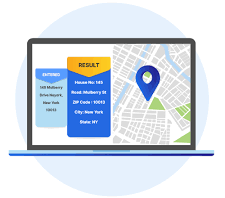
Sending thousands—or even millions—of mail pieces to customers or prospects is a critical function for many businesses. However, without proper data hygiene, such campaigns can lead to wasted resources, poor customer engagement, and compliance issues. This is where bulk address verification plays a transformative role. By validating and correcting mailing addresses before dispatch, organizations enhance accuracy, efficiency, and ROI.
This comprehensive guide explores why bulk address verification is indispensable for modern mail operations and how businesses can implement it effectively to ensure seamless delivery.
The Foundation of Reliable Direct Mail: Clean Address Data
Inaccurate addresses are more than just a nuisance—they can lead to returned mail, undelivered messages, and lost opportunities. Bulk address verification ensures that each address in your database:
- Matches official postal standards
- Is complete with accurate ZIP codes or international equivalents
- Exists and is currently in use
Address verification tools scan massive lists and cross-check them with postal databases, flagging errors, duplicates, and outdated entries in seconds.
Consequences of Ignoring Address Verification
The cost of neglecting address validation goes beyond postage. Here’s what organizations typically face:
- Increased Return Mail Rates: Undeliverable mail leads to waste and additional postage costs.
- Damaged Brand Reputation: Customers may never receive critical communications like bills, offers, or notices.
- Compliance Risks: Regulatory bodies require accurate address data, especially in sectors like finance or healthcare.
- Missed Revenue Opportunities: Promotions and renewal notices that don’t reach their destination fail to convert.
Implementing bulk address verification is not optional—it’s essential for cost control and customer trust.
Common Address Errors in Large Databases
Before correction, it’s important to understand the types of errors commonly found in mailing lists:
- Spelling Variations: Misspelled street names or city entries
- Incomplete Addresses: Missing suite numbers, postal codes, or house numbers
- Inconsistent Formats: Different data entry styles causing processing issues
- Duplicates: Multiple entries for the same individual or business
- Obsolete Records: People who have moved or businesses that have closed
By identifying and fixing these errors through bulk processing, organizations streamline their mailing operations and improve outcomes.
The Role of Bulk Address Verification in Large-Scale Mailings
Mass mailings rely on precision. When you’re sending thousands of letters, even a 5% error rate can result in hundreds of lost items.
Bulk address verification ensures:
- Postal Standardization: Addresses are formatted according to USPS or international guidelines.
- Database Cleansing: Inaccurate entries are corrected or removed.
- Presort Discounts: Clean addresses often qualify for volume-based postal discounts.
- Reduced Mailing Costs: Fewer returned mail pieces and improved delivery rates.
This not only reduces direct expenses but also boosts marketing and outreach effectiveness.
Real-World Success Story: E-Commerce Company Cuts Costs
A mid-sized e-commerce retailer regularly mailed catalogs and special offers to a growing customer base. However, they noticed increasing return mail and poor conversion rates.
After integrating a bulk address verification system, they:
- Identified and corrected 12% of their database
- Reduced return mail by 35%
- Saved over $18,000 in annual postage
- Increased offer response rates by 22%
Clean data directly translated into improved operational efficiency and bottom-line results.
Ideal Timing for Bulk Verification in the Mail Cycle
To maximize its impact, address verification should occur at strategic points:
- Before Campaign Launch: Ensures mailing list integrity upfront
- During CRM Integration: Keeps databases in sync and accurate
- Post-Campaign Analysis: Reviews and updates undelivered entries
- At Regular Intervals: Quarterly or semi-annual checks for long-term hygiene
Routine validation prevents database decay, especially for businesses with high customer churn.
Benefits Beyond Accuracy: Long-Term Organizational Impact
Bulk address verification contributes to several organizational goals:
Improved Customer Satisfaction
On-time delivery of communications builds trust and satisfaction. Missed or delayed notices create frustration and erode loyalty.
Enhanced Data Analytics
Clean data supports better decision-making. Marketing and sales teams rely on accurate addresses for segmentation and performance tracking.
Operational Efficiency
By reducing manual corrections and return processing, teams focus more on strategic initiatives and less on troubleshooting.
Regulatory Compliance
Industries bound by privacy and communication laws (like HIPAA or GDPR) must demonstrate that communications were sent to verified recipients.
Integrating Bulk Address Verification with Existing Systems
Modern tools offer robust integration capabilities, allowing businesses to embed verification processes into their existing workflows.
- CRM and ERP Platforms: Tools plug into systems like Salesforce, HubSpot, or Oracle
- Marketing Automation: Sync with tools like Mailchimp, Marketo, or Klaviyo
- Mail APIs: Direct integration for automated bulk mail generation
This seamless integration ensures that validation becomes a routine part of business operations.
Use Case: A national insurance provider linked their claims software with an address verification API, reducing claim correspondence errors by 80%.
Features to Look for in a Verification Solution
Not all bulk address verification tools are created equal. When selecting a vendor or software, consider:
- Global Coverage: Can it handle international addresses?
- Real-Time Validation: Does it offer instant correction suggestions?
- Batch Processing: How many records can it handle at once?
- Compliance Standards: Is it certified for data handling and privacy?
- Error Reporting: Does it log types of errors and suggest fixes?
- Scalability: Can it grow with your organization’s mailing volume?
Choosing the right tool is crucial for long-term success and cost efficiency.
Best Practices for Implementing Bulk Verification
A successful implementation requires strategy and coordination:
- Clean Existing Data First: Remove duplicates and clearly invalid entries.
- Define Success Metrics: Know what accuracy rate or cost savings you expect.
- Run Pilot Projects: Start with a segment before full-scale deployment.
- Train Staff: Ensure users understand how to interpret and use verification results.
- Automate Recurrence: Schedule regular checks instead of relying on manual triggers.
These practices create a sustainable and efficient data hygiene process.
Pitfalls to Avoid During Adoption
Avoid these common mistakes when integrating bulk address verification into your process:
- Assuming One-Time Checks Are Enough: Addresses change; ongoing verification is essential.
- Overlooking Non-Postal Fields: Phone numbers and emails may also need validation.
- Ignoring International Differences: Global mailings require country-specific formatting.
- Skipping Employee Training: Misinterpretation of flagged results can create new errors.
Awareness of these pitfalls helps ensure a smooth rollout and long-term effectiveness.
Future Trends Shaping Address Verification
As technology evolves, bulk address verification will benefit from several innovations:
AI-Powered Corrections
Artificial intelligence can identify context-based errors, making suggestions even when traditional databases fail to match.
Predictive Data Cleansing
Future systems will preemptively flag addresses likely to become outdated, such as frequent movers.
Blockchain for Address Validation
Immutable verification records could enhance security and audit trails, especially in legal and financial sectors.
Integrated Communication Platforms
Unified dashboards that validate and send communications across print, email, and SMS channels.
Keeping pace with these trends ensures your verification process stays ahead of the curve.
Evaluating Vendors for Bulk Address Verification
Selecting the right partner can make or break your mailing efficiency. Key evaluation criteria include:
- Reputation and Client Reviews: Positive feedback from similar-sized organizations
- Technology Stack: Modern APIs, machine learning, and integration options
- Support Services: Training, troubleshooting, and dedicated account managers
- Pricing Transparency: Understand costs for volume, integrations, and support
- Uptime and Speed: Fast, reliable access to verification engines
Run a vendor trial before full adoption, testing both performance and usability.
Tip: Ask potential providers for case studies or references relevant to your industry.
Industry Use Cases That Showcase Success
Financial Services
Banks and lenders use verification to ensure secure, compliant delivery of statements and policy updates.
Healthcare
Hospitals and clinics rely on clean addresses for sending appointment reminders, bills, and health reports.
Retail and E-Commerce
Businesses improve delivery rates for catalogs, promotions, and order confirmations.
Government Agencies
Local and national agencies send forms, notices, and ballots, which require verified recipient addresses.
Example: A municipal office used bulk address verification before mailing property tax statements, decreasing undelivered mail by 40% and improving taxpayer response time.
Environmental Impact and Sustainability Benefits
Bulk address verification also supports green business initiatives:
- Reduced Paper Waste: Fewer undeliverable items mean less trash.
- Lower Carbon Footprint: Efficient mailings reduce transportation emissions.
- Digital Alternatives: Identifying bad addresses helps migrate users to digital communications.
By avoiding unnecessary print runs, businesses make a measurable positive impact on the environment.
Aligning Verification with Marketing and Customer Strategy
Address validation is not just about logistics—it ties directly to how well your brand communicates. When mail consistently reaches recipients:
- Promotions perform better
- Loyalty programs increase engagement
- Customers feel recognized and valued
Insight: Companies that pair bulk address verification with CRM segmentation often see higher personalization and conversion rates.
Conclusion: Precision Mailing Starts with Verification
In today’s data-driven world, accurate communication is a cornerstone of customer satisfaction and operational success. Bulk address verification ensures your messages get where they’re supposed to go—on time, on budget, and with impact.
It reduces costs, enhances brand credibility, supports compliance, and improves the effectiveness of every outreach effort. As volumes grow and customer expectations rise, the role of address verification becomes not just beneficial but indispensable.
Whether you’re managing a nonprofit donor list or mailing utility bills to millions, address quality is everything. Start verifying, and start delivering with confidence.
Leave a Reply